
 By Mikel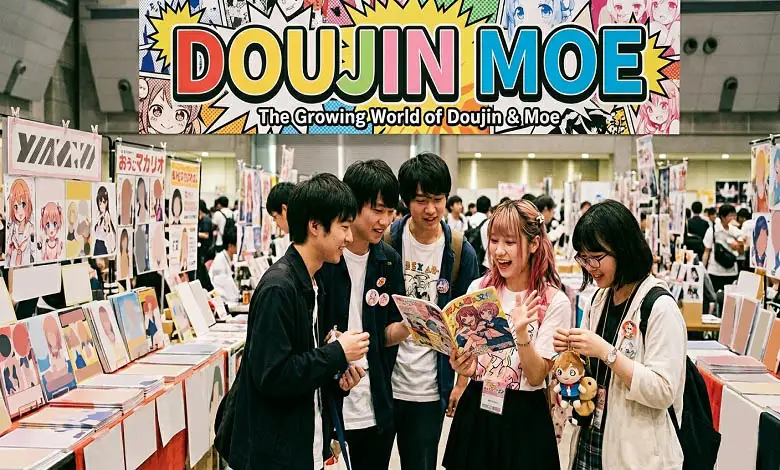
The anime and manga industry has changed dramatically over the past two decades. What once existed mainly through television broadcasts and printed comics has now expanded into digital communities, fan-created content, indie publishing, and global online fandoms. One keyword that has recently gained attention in anime-related searches is doujen moe. Many users come across the term while browsing anime forums, manga sites, or social media discussions and want to know what it actually means.
The phrase combines two important aspects of Japanese pop culture: doujin culture and moe aesthetics. Together, they represent a creative online space filled with fan-made manga, independent games, anime-inspired art, and emotionally engaging character designs. Interest in doujen moe continues to grow because anime fans today are looking for more than mainstream entertainment. They want unique stories, personal creativity, and stronger emotional connections with characters.
This article explains everything about doujen moe, including its origins, cultural impact, online popularity, creative influence, and future role in modern anime communities.
What Does Doujen Moe Mean?
The term doujen moe is generally connected to two Japanese entertainment concepts.
The first part, “doujin,” refers to independently created works made by fans, artists, or small creative groups. These works are often self-published and can include manga, novels, games, music, illustrations, and animation. Doujin culture became popular because it gave creators freedom to produce content outside large commercial publishers.
The second part, “moe,” describes a feeling of affection or emotional attachment toward fictional anime-style characters. Moe characters are usually designed to look cute, innocent, lovable, or emotionally appealing. Over time, moe evolved into a recognizable art style used heavily in anime, manga, and gaming culture.
When combined, doujen moe typically refers to fan-created anime or manga content centered around moe-style characters and emotionally engaging storytelling.
The Origins of Doujin Culture
To understand doujen moe properly, it is important to explore the history of doujin culture itself. The word “doujin” originally referred to groups of people who shared similar interests. In Japan, the term later became associated with independently published creative works.
During the late twentieth century, anime and manga fans began creating their own stories inspired by existing franchises or completely original ideas. Instead of relying on major publishing companies, creators sold their work directly to readers through conventions and small events.
One of the biggest reasons doujin culture expanded so quickly was the rise of Comic Market, also known as Comiket. This massive Tokyo-based convention became a central place for artists and fans to exchange creative work. Thousands of creators gathered there to showcase independent manga, illustrations, novels, and games.
Today, doujin culture exists far beyond Japan. Digital platforms now allow creators worldwide to share their work instantly with global audiences.
Understanding Moe Aesthetics
Moe is one of the most influential concepts in modern anime culture. Although the exact definition varies among fans, moe usually refers to emotional affection toward fictional characters with cute or lovable personalities.
Moe characters are often designed with specific visual and personality traits, including:
- Soft facial features
- Innocent behavior
- Emotional vulnerability
- Playful personalities
- Loyal friendships
- Cute voice styles
- Stylized anime designs
These characteristics create a sense of emotional connection between audiences and fictional characters. Over time, moe evolved from a simple fan expression into a major entertainment trend.
Today, moe aesthetics influence anime shows, video games, merchandise, online art communities, and fan-created content. Many creators use moe-inspired designs because they are visually attractive and emotionally engaging.
Why Doujen Moe Is Becoming Popular
The growing popularity of doujen moe is connected to several modern internet trends. Anime fandom has become larger and more global than ever before. Millions of users now participate in online communities through Reddit, Discord, TikTok, YouTube, and anime discussion forums.
Fans are no longer satisfied with consuming only mainstream anime content. They also want unique stories, creative experiments, and fan-driven experiences. Doujin culture provides exactly that. Independent creators often explore ideas that large studios may avoid, including alternative character relationships, emotional storytelling, and niche themes.
At the same time, moe-style characters continue to dominate anime culture. Cute character designs attract strong fan engagement, especially on social media platforms were artwork spreads quickly. This combination of independent creativity and emotionally appealing characters explains why doujen moe continues gaining popularity.
Types of Content Connected to Doujen Moe
Doujen moe is associated with many different forms of anime-inspired media. One of the most common is doujinshi manga, which refers to self-published comics created by independent artists. These stories often feature original characters or reinterpret popular anime franchises.
Another important category is doujin games. Independent developers create anime-style games ranging from visual novels to role-playing adventures. Many of these games rely heavily on moe character designs and emotional storytelling.
Fan art also plays a major role in doujen moe culture. Artists regularly share anime-inspired illustrations online through social media and art platforms. Moe-inspired character art is especially popular because it easily attracts attention and community engagement.
Music projects are another growing area. Some creators produce anime-inspired soundtracks, remixes, and vocal performances connected to fan-made stories and characters.
The Role of Online Communities
The internet has completely transformed how doujin and moe culture spreads across the world. In the past, most fan-created content remained limited to Japanese conventions and local communities. Today, online platforms allow creators to reach global audiences instantly.
Social media sites such as X, Pixiv, Reddit, and Discord have become major hubs for anime communities. Artists can now upload illustrations, games, animations, and comics directly to fans worldwide. Viral trends help popular character designs spread rapidly across multiple platforms.
Online communities also encourage collaboration. Writers, illustrators, musicians, and programmers frequently work together on independent projects. This collaborative creativity has become one of the strongest features of modern doujen moe culture.
Because of the internet, even small creators now have opportunities to build large fanbases and independent careers.
Creative Freedom in Doujin Works
One of the biggest strengths of doujin culture is creative freedom. Independent creators are not always restricted by corporate rules, publisher demands, or strict commercial expectations.
This freedom allows artists to experiment with:
- Unique storytelling ideas
- Emotional character development
- Unusual art styles
- Niche genres
- Alternative endings
- Fan-requested content
Many creators enjoy doujin work because it allows them to express personal creativity without external limitations. Some artists even use doujin projects as practice before entering professional industries.
Interestingly, several successful manga artists and illustrators originally started within doujin communities. Their independent work helped them gain experience, improve artistic skills, and build loyal audiences.
Common Misunderstandings About Doujen Moe
Many people unfamiliar with anime culture misunderstand terms like doujin and moe. Some assume all doujin content is explicit or inappropriate, but that is not true.
Doujin works cover a huge range of genres, including:
- Romance
- Comedy
- Fantasy
- Horror
- Adventure
- Science fiction
- Slice-of-life
Similarly, moe is not automatically connected to adult content. In many cases, moe simply describes emotional affection toward fictional characters.
Another misconception is that doujin creators are amateurs. While some artists are beginners, many produce professional-quality artwork and storytelling. Certain doujin creators eventually become highly successful commercial artists.
Understanding these differences is important for appreciating the diversity and creativity within doujen moe culture.
Economic Influence of Doujin and Moe Culture
Anime fandom has evolved into a massive global industry, and doujin culture contributes significantly to that growth. Independent creators now earn income through online publishing, digital downloads, merchandise sales, subscriptions, and convention appearances.
Large events like Comiket generate enormous economic activity each year. Fans travel from around the world to purchase independent manga, games, posters, and collectibles.
Moe aesthetics also play an important commercial role. Cute anime-style characters are widely used in:
- Video games
- Mobile apps
- Merchandise
- Advertising campaigns
- Virtual streaming
- Promotional events
Because of their strong emotional appeal, moe characters help companies build loyal fan communities and long-term brand recognition.
Challenges Facing Doujen Moe Communities
Despite its popularity, doujen moe culture also faces challenges. One major issue involves copyright concerns. Since many doujin works are inspired by existing franchises, legal boundaries can sometimes become unclear.
Another challenge is market oversaturation. The rise of digital publishing means thousands of creators compete for audience attention every day. Standing out requires consistent quality, originality, and active community engagement.
Online criticism and social media pressure can also affect creators. Independent artists often face intense competition and high audience expectations.
Finally, rapid technological changes, including AI-generated artwork, are creating debates within anime communities. Many fans still strongly value authentic human creativity and emotional storytelling.
The Future of Doujen Moe
The future of doujen moe looks extremely promising because anime fandom continues expanding worldwide. Streaming services, online communities, and digital publishing platforms have introduced millions of new viewers to Japanese pop culture.
Independent creators now have more opportunities than ever before. Artists can publish work globally without relying entirely on traditional publishers. Crowdfunding platforms and subscription services also allow fans to support creators directly.
Moe aesthetics are likely to remain influential because emotionally engaging characters continue attracting strong fan communities. At the same time, doujin culture will probably keep evolving through new technologies, interactive media, and collaborative online projects.
As anime culture grows internationally, doujen moe will likely become even more visible within gaming, manga, art, and digital entertainment industries.
Why People Search for Doujen Moe
There are several reasons why the keyword doujen moe continues gaining search engine attention. Some users want to learn more about anime fandom and independent manga culture. Others are searching for fan-created games, illustrations, or online communities.
The keyword also attracts SEO interest because it combines two highly recognizable anime-related concepts into a unique phrase. Content creators often target emerging keywords that have growing curiosity and lower competition.
Social media trends also contribute to increased visibility. Viral anime artwork, gaming communities, and fan discussions regularly introduce new audiences to moe and doujin culture.
Because of this growing attention, doujen moe has become a popular search topic among anime fans, bloggers, and online researchers.
Final Thoughts
The rise of doujen moe reflects the growing influence of anime fandom, digital creativity, and independent artistic culture. By combining doujin creativity with moe-inspired character design, the term represents a unique part of modern internet entertainment.
From self-published manga and indie games to fan art and online communities, doujen moe highlights how anime culture has expanded far beyond traditional media. Fans are no longer just viewers. They are active creators, collaborators, and storytellers shaping the future of anime-inspired entertainment. As online communities continue growing, doujin and moe culture will likely become even more important in global pop culture. For anime fans, artists, and digital creators, doujen moe represents creativity, passion, and the freedom to build imaginative worlds without limits.