
 By Mikel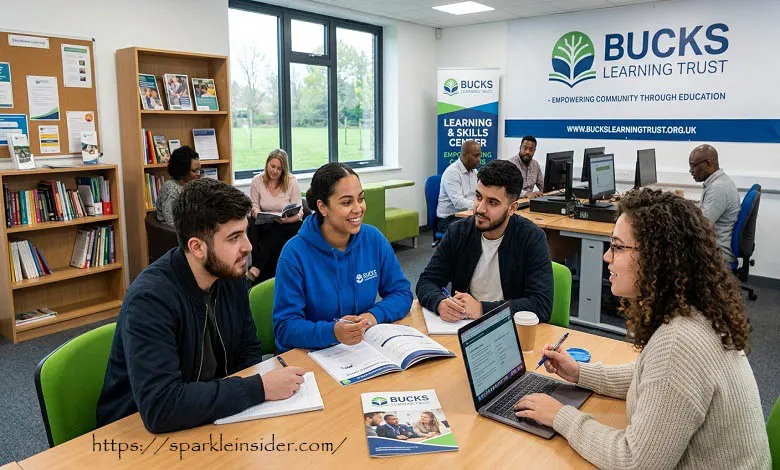
Education is not just about classrooms, textbooks, and exams. At its heart, education is about people—teachers who guide, students who learn, and communities that grow together. When these three pieces connect well, schools become places where young minds truly flourish. That’s where bucks learning trust enters the picture. This organization has established a reputation for supporting schools, empowering teachers, and fostering environments that enable students to succeed.
If you’ve been searching for information about bucks learning trust jobs, school partnerships, or how educational trusts support learning communities, this guide will help you understand the bigger picture.
Let’s explore how this trust works, why it matters, and what makes it valuable for schools and educators.
Understanding What Bucks Learning Trust Is
In simple terms, bucks learning trust is an educational organization that works with schools to improve teaching quality, leadership, and student outcomes.
Think of it like a support network for schools. Instead of each school trying to solve every challenge alone, they work together through trust.
This collaboration allows schools to share:
- teaching expertise
- leadership strategies
- training programs
- learning resources
When schools collaborate rather than compete, something interesting happens. Teachers learn faster, students benefit from stronger lessons, and school communities grow stronger.
That’s the core idea behind the trust.
Why Education Trusts Matter Today
Schools today face many challenges.
Teachers deal with increasing workloads. Students need more support than ever before. Technology continues to change the way learning happens.
In the past, schools often worked in isolation. A great teacher in one school might develop amazing teaching methods, but other schools would never hear about them.
Educational trusts change that.
Organizations like bucks learning trust create connections between schools. When one school discovers a better approach, others can learn from it.
It’s a bit like teamwork in sports. A team performs better when players communicate and support each other. Schools are no different.
The Mission Behind Bucks Learning Trust
The mission of bucks learning trust is centred on improving education through collaboration, training, and leadership support.
Instead of focusing only on administrative tasks, the trust prioritizes teaching and learning.
Their work often focuses on three main areas:
| Focus Area | Purpose |
| Teacher Development | Helping educators improve their teaching skills |
| School Leadership | Supporting headteachers and school leaders |
| Student Achievement | Ensuring better learning outcomes for students |
These three elements work together like gears in a machine. When teachers grow professionally, and leaders receive proper support, students naturally benefit.
Supporting Teachers: The Heart of Education
Teachers are the backbone of every school. Yet teaching is one of the most demanding professions.
Lesson planning, grading, classroom management, and student support can quickly become overwhelming.
This is why teacher support is such an important part of bucks learning trust.
The trust provides professional development programs that help teachers strengthen their skills.
These programs may include:
- teaching workshops
- leadership training
- classroom innovation strategies
- mentoring opportunities
Imagine a young teacher starting their career. They might have enthusiasm but limited experience.
Through training and mentorship offered by the trust, the teacher can learn from experienced educators. Over time, their confidence grows, and their classroom becomes more effective.
That ripple effect benefits hundreds of students.
Helping School Leaders Make Better Decisions
Running a school is not easy.
Headteachers and school leaders constantly balance budgets, staffing, policies, and student needs. Without support, leadership roles can feel isolating.
One of the strengths of bucks learning trust is its leadership network.
School leaders connected to the trust can exchange ideas, discuss challenges, and share solutions.
For example, if one school successfully improves attendance rates, that strategy can be shared with others.
This kind of collaboration saves time and reduces trial-and-error.
Instead of every school reinventing the wheel, they learn from each other.
Real Impact on Students
At the end of the day, everything comes back to students.
The goal of bucks learning trust is not just to improve school systems but to create better learning experiences for young people.
When teachers receive better training and leaders make stronger decisions, students feel the difference.
Classrooms become more engaging. Lessons become clearer. Learning becomes more enjoyable.
A student who once struggled with confidence might suddenly thrive in a supportive environment.
Small improvements in teaching methods can create big changes in student motivation.
The Growing Interest in Bucks Learning Trust Jobs
Many educators are now searching online for bucks learning trust jobs, and it’s not hard to see why.
Working within an educational trust can offer opportunities beyond traditional teaching roles.
For example, professionals may find roles such as:
| Job Type | Description |
| Teaching Roles | Classroom teaching positions within partner schools |
| Education Advisors | Specialists who support curriculum and teaching quality |
| Leadership Positions | School leaders and trust administrators |
| Training Coordinators | Professionals who design teacher development programs |
These roles often provide a chance to work on larger educational projects that impact multiple schools.
For educators who enjoy collaboration and innovation, these jobs can be extremely rewarding.
A Career Path That Makes a Difference
Teaching has always been a meaningful profession, but working within a trust can broaden that impact.
Imagine a teacher who develops a creative way to teach science. In a single classroom, that idea helps 30 students.
Within a trust network, that same idea could reach hundreds or even thousands of students.
This wider influence is one reason many professionals are exploring bucks learning trust jobs.
They want to contribute not only to one school but to an entire community of learners.
Collaboration Between Schools
One of the most valuable aspects of bucks learning trust is collaboration.
Schools connected through the trust regularly share ideas and strategies.
Sometimes this happens through:
- training workshops
- leadership meetings
- joint school projects
- educational conferences
For teachers, these events can be inspiring.
Imagine attending a workshop where teachers from different schools discuss classroom challenges.
Someone shares a creative solution for engaging students who struggle with reading. Another teacher explains a new technology tool that improved lesson participation.
These moments spark innovation.
Technology and Modern Learning
Education is changing quickly, especially with technology becoming part of everyday life.
Students today grow up surrounded by digital devices, online resources, and interactive learning tools.
Organizations like bucks learning trust help schools adapt to these changes.
Teachers receive guidance on how to integrate technology into lessons effectively.
Instead of replacing traditional learning, technology can enhance it.
For example:
- Interactive quizzes increase engagement
- Educational apps support independent learning
- Online collaboration tools encourage teamwork
When used thoughtfully, technology can make classrooms more dynamic and inclusive.
Building Strong School Communities
Schools are not isolated institutions. They are part of communities.
Parents, teachers, and students all contribute to the learning environment.
Bucks learning trust often encourages strong relationships between schools and families.
Community events, parent workshops, and school activities help build trust.
When parents feel involved in their children’s education, students tend to perform better academically.
It’s a simple truth: education works best when everyone participates.
Challenges in Education and How Trusts Help
No education system is perfect. Schools face challenges every year.
Common issues include:
- teacher shortages
- budget limitations
- changing curriculum standards
- student well-being concerns
Educational trusts help address these problems by pooling resources.
Instead of each school struggling alone, they can share expertise, funding strategies, and solutions.
This shared approach often leads to better long-term results.
Professional Growth for Educators
One of the most appealing aspects of working with bucks learning trust is professional growth.
Teachers often say that learning never stops in education.
The trust encourages continuous development through training programs and leadership opportunities.
A teacher might start in the classroom, then move into mentoring roles, and eventually take on leadership responsibilities.
This progression keeps careers fresh and motivating.
Stories from the Classroom
Sometimes the best way to understand educational impact is through real stories.
A teacher once described how collaboration within a trust changed her teaching style.
She attended a workshop where another teacher shared creative storytelling techniques for teaching history.
At first, she wasn’t sure it would work in her classroom.
But she tried it.
Instead of reading straight from the textbook, she turned historical events into narratives. Students began asking more questions and participating in discussions.
Within weeks, the classroom atmosphere completely changed.
This is the kind of ripple effect that collaboration creates.
Why Students Benefit the Most
Students may not always know about educational trusts or administrative structures.
But they feel the results.
When teachers are confident, lessons become clearer. When schools collaborate, resources improve.
Students experience better opportunities, stronger support systems, and more engaging classrooms.
That’s the real success story behind bucks learning trust.
Looking Toward the Future of Education
Education will continue to evolve.
New technologies, teaching methods, and student needs will shape the future of schools.
Organizations like bucks learning trust play an important role in helping schools adapt to these changes.
Their collaborative approach encourages innovation while maintaining strong educational foundations.
In many ways, they act as bridges—connecting schools, teachers, and communities.
Conclusion
Education works best when people work together. Teachers, school leaders, parents, and communities all share responsibility for helping students succeed.
Bucks learning trust represents this spirit of collaboration. By supporting teachers, strengthening school leadership, and encouraging shared learning between schools, the trust helps create stronger educational environments.
For educators exploring bucks learning trust jobs, the opportunity goes beyond employment. It offers the chance to contribute to a wider network of schools and make a meaningful difference in students’ lives.
In the end, education is not just about grades or exams. It’s about shaping future generations. And when schools work together through supportive organizations like this, that mission becomes much easier to achieve.