
 By Mikel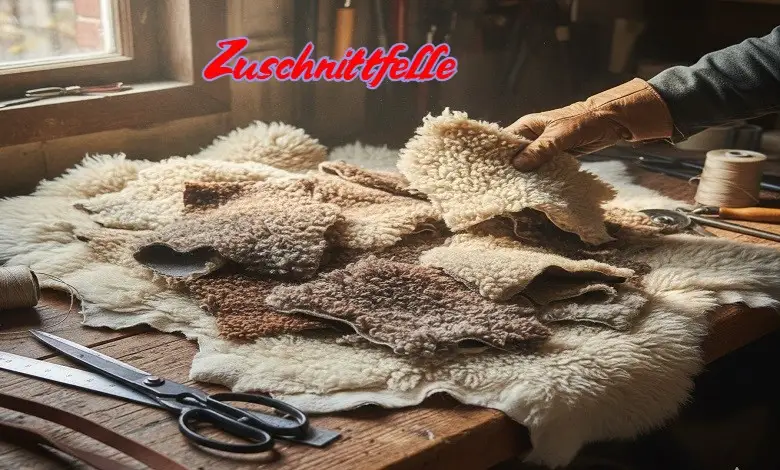
If you spend enough time reading about ski touring, sooner or later, you come across the word zuschnittfelle. Most people stop for a moment when they see it. It doesn’t look English, and it doesn’t immediately explain itself. Some assume it’s a brand. Others think it’s a special kind of skin. In reality, zuschnittfelle are much simpler than that.
The word comes from German and is commonly used in Alpine countries. Over time, it has also found its way into international ski touring discussions. When people talk about zuschnittfelle, they are usually talking about cut-to-fit climbing skins. These are skins that are not made for one exact ski model. Instead, they are trimmed by the skier to match their own skis.
This idea may sound old-fashioned in a world full of pre-cut gear, but there is a reason zuschnittfelle are still widely used.
What Zuschnittfelle Actually Means in Practice
Zuschnittfelle are climbing skins that come wider than your skis. You buy them knowing that you will need to cut them yourself. That’s the whole point.
Instead of relying on a factory shape, the skier decides how much material stays on the base and how much is removed. This allows the skin to follow the real shape of the ski, not a generic template.
In ski touring, fit matters. A skin that is too narrow can slip. A skin that covers the metal edges can make traversing dangerous. Zuschnittfelle allow the skier to find the balance between grip and control.
That is why the term still comes up so often, especially among experienced tourers.
Why People Still Choose Zuschnittfelle
It’s easy to assume that pre-cut skins are always better. They save time, and they look neat right out of the box. But convenience is not always the most important thing in the mountains.
Many skiers choose zuschnittfelle because they want control over their setup. Skis come in many shapes, and not all skis follow standard dimensions. Some have wide tips, some have unusual sidecuts, and some are older models that no longer have matching skins on the market.
With zuschnittfelle, none of that matters. You adapt the skin to the ski, not the other way around.
Another reason is longevity. When you change skis, you can often re-trim zuschnittfelle and use them again. That’s not always possible with pre-cut skins.
The First Time Cutting Zuschnittfelle
The first time someone trims zuschnittfelle, it usually feels stressful. You only get one chance, and once you cut too much, there is no going back.
Most skins include a cutting tool designed to follow the ski edge. The skin is attached to the ski, centred carefully, and then trimmed along one side at a time. The goal is to leave the metal edges visible while keeping as much skin material on the base as possible.
People who rush this process often regret it. Those who go slowly usually end up with a better result.
Cutting skin is one of those tasks that seems intimidating until you actually do it.
Materials Used in Zuschnittfelle
Most zuschnittfelle are made from mohair, nylon, or a mix of both.
Mohair skins glide well and feel smooth on the snow. They are popular with skiers who care about efficiency, especially on long tours. The downside is that they can wear out faster.
Nylon skins are heavier, but they are tough. They grip well and last a long time. Many beginners feel more comfortable starting with nylon because it feels reliable.
Mixed skins try to combine the best of both. They glide better than pure nylon and last longer than pure mohair. This is why many modern zuschnittfelle use mixed fibres.
There is no perfect choice. The right material depends on how and where you tour.
Adhesive and Skin Attachments
The glue on climbing skins is just as important as the fabric. If the glue fails, the skin fails. Zuschnittfelle use the same adhesive systems as other skins, and they require the same care.
Skins should be kept clean and dry. Dirt, moisture, and heat all reduce adhesive strength. Folding skins properly and drying them after each tour makes a big difference over time.
Most zuschnittfelle also include tip and tail attachments. This helps keep the skin aligned during use. Because the skin is trimmed manually, the tail attachment often needs adjustment after cutting.
When everything is set correctly, the skin stays in place even on long or steep climbs.
How Zuschnittfelle Perform in Real Conditions
On cold winter days with dry snow, zuschnittfelle work exactly as intended. They grip when you step down and glide when you move forward. On spring days, when snow becomes wet and heavy, skins require more attention.
Wet snow can cause skins to clump or absorb moisture. This is not unique to zuschnittfelle, but proper trimming and maintenance help reduce problems.
Icy conditions are where good trimming really shows its value. When the edges are exposed correctly, the ski feels more stable during traverses. This is one reason experienced tourers still trust cut-to-fit skins.
Maintenance Over Time
Climbing skins don’t last forever, but zuschnittfelle often last longer than expected when cared for properly.
Drying skins after use, storing them away from heat, and keeping the glue clean all help. Over time, glue can be refreshed or replaced. Many skiers do this instead of buying new skins.
Because zuschnittfelle are not locked to a specific ski shape, they are easier to reuse or modify later.
Who Zuschnittfelle Are Best For
Zuschnittfelle work well for beginners and experienced skiers alike. Beginners benefit because they learn how skins function and how fit affects performance. Experienced skiers appreciate the flexibility and control.
They are especially useful for people who:
- Use wide or unusual skis
- change skis often
- tour in varied conditions
- want long-term value
Ski skins shops still recommend zuschnittfelle for these reasons.
Common Problems and How People Avoid Them
The most common problem with zuschnittfelle is cutting too much material. This reduces grip and makes climbing harder. Another issue is uneven trimming, which can cause the skin to drift to one side.
Poor storage is another frequent mistake. Wet skins stuffed into a bag lose adhesive quickly.
Most of these problems are avoidable with patience and basic care.
Why Zuschnittfelle Haven’t Disappeared
Ski touring equipment has changed a lot over the years. Bindings, boots, and skis have all become lighter and more advanced. Yet zuschnittfelle remain common.
That’s because the idea behind them still works. Custom fit matters. Flexibility matters. Being able to adapt your gear matters.
Pre-cut skins are convenient, but they are not always ideal. Zuschnittfelle offer something different: control.
Final Thoughts
Zuschnittfelle are not exciting gear. They don’t make headlines, and they don’t promise revolutionary performance. What they offer is reliability.
For skiers who spend time in the backcountry, reliability is more important than convenience. A well-fitted skin saves energy, improves safety, and makes the day more enjoyable.
That is why zuschnittfelle continue to be used, talked about, and searched for.
They are simple, practical, and effective. Sometimes, that is exactly what you want in the mountains.
Also Read:How Delta Fitness Authority Supports Long-Term Health Goals